

Cloud Providers and Infrastructure
The Evolution of Data Centers: From Mainframes to AI-Driven Infrastructure
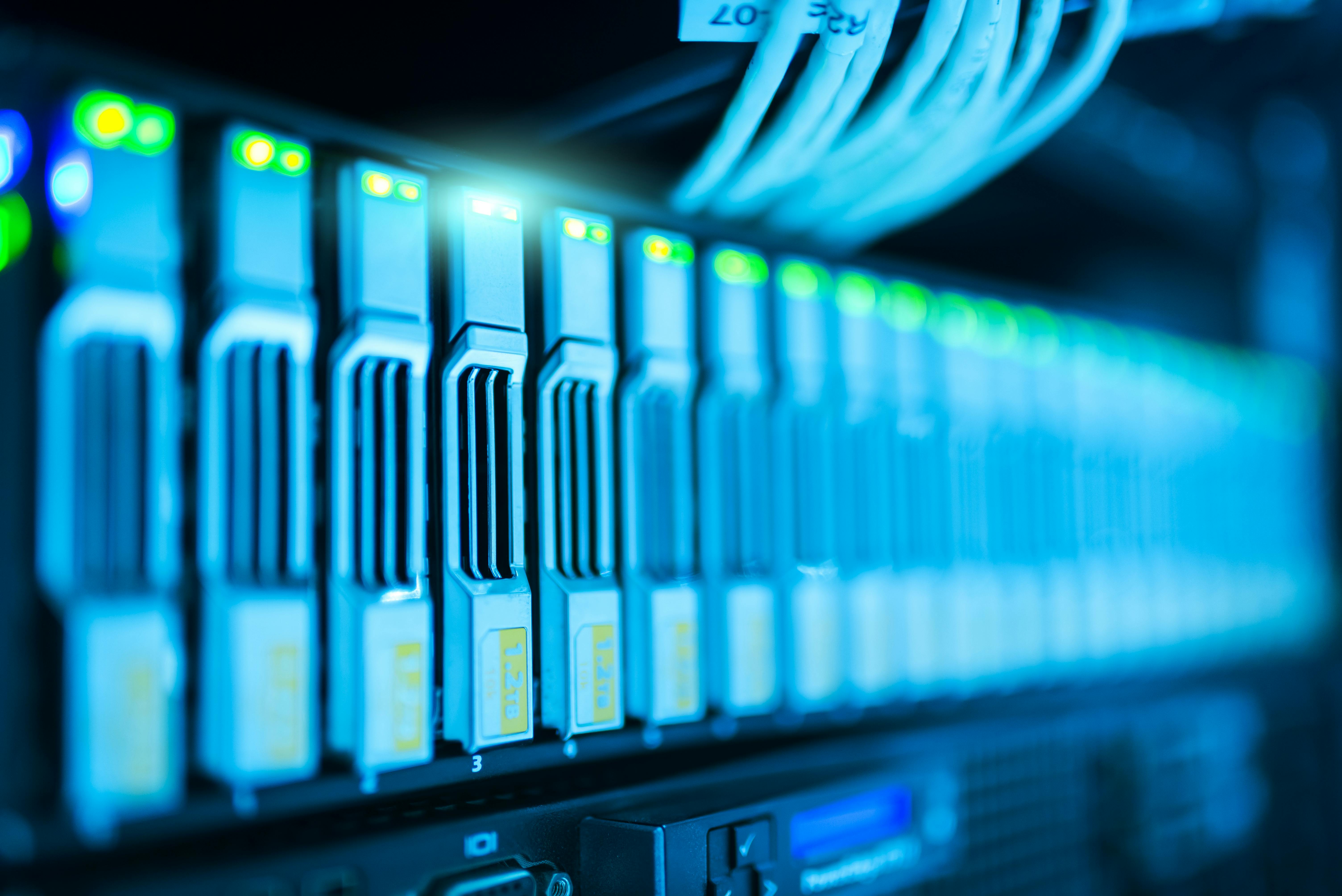


In the digital age, data centers have become the backbone of modern technology, powering everything from cloud computing and streaming services to artificial intelligence (AI) and machine learning (ML). These vast, interconnected hubs of computational power are the unsung heroes behind the seamless experiences we’ve come to expect—whether it’s instant access to financial data, real-time healthcare diagnostics, or personalized recommendations on streaming platforms. As the demand for faster, more reliable, and scalable services has grown, so too have data centers evolved, adapting their architectures and technologies to meet the ever-increasing expectations of users and industries.
The evolution of data centers has been driven by a combination of technological advancements and the lucrative revenue opportunities they present across verticals such as fintech, healthcare, e-commerce, and entertainment. From the early days of monolithic mainframes to the distributed, cloud-native infrastructures of today, data centers have undergone a remarkable transformation. This shift has been further accelerated by the rise of the Software-as-a-Service (SaaS) model, which has enabled software providers to leverage the scalability and flexibility of modern data centers to deliver innovative solutions to a global audience.
However, the role of data centers is no longer limited to hosting servers and supporting traditional applications or microservices. The advent of AI and ML has ushered in a new era of computational demands, fundamentally altering the nature of workloads running in these facilities. Today’s data centers are increasingly home to millions of accelerators—GPUs, TPUs, and other specialized hardware—designed to train massive AI models or deploy them for inference at scale. These workloads are vastly different from the transactional or analytical tasks of the past. Instead, they involve tightly coupled, parallel computations that would take years to complete on a single CPU but are now executed in days, hours, or even minutes.
This shift has brought about unprecedented challenges. Data centers must now contend with the complexities of managing highly parallelized systems, ensuring efficient communication between accelerators, and handling the immense data throughput required for AI/ML workloads. Moreover, the explosion of data and the rise of machine learning have introduced new considerations around cost, energy consumption, privacy, and security. Setting up and running a modern data center is no small feat, requiring significant investment in infrastructure, cooling systems, and network capabilities, all while adhering to stringent regulatory and compliance standards.
In this paper, we will explore the evolution of data centers, from their humble beginnings to the cutting-edge facilities of today. We will examine how technological advancements and shifting user demands have shaped their architecture and capabilities. Additionally, we will delve into the challenges posed by the new era of AI/ML, including the unique demands of training and inference workloads, the cost and complexity of scaling infrastructure, and the critical importance of privacy and security in an increasingly interconnected world. By understanding these dynamics, we can better appreciate the pivotal role data centers play in our daily lives and the innovations that will drive their future.
The Early Days: Mainframes and Centralized Computing
In the 1950s and 1960 mainframes were the cornerstone of computing. These massive machines, often housed in dedicated rooms, were the precursors to modern data centers. IBM, CDC and UNIVAC were some of the companies that produced mainframes used by governments, universities and large corporations for tasks such as census data processing, scientific calculations, and financial transactions. The mainframes also included peripherals like tape drives and punch card readers. If you remember punch cards, you are probably about my age.
These mainframes, creating a centralized computing model, were accessed through “dumb terminals”--basic physically wired input/output devices with no processing capabilities of their own. These devices had limited accessibility and were scarce and expensive and access was restricted to a small number of users or on a reservation basis. People had to physically go to the computer room to use the facility sometime in very awkward hours to get easier access.
These earlier systems relied on batch processing and lacked real-time interaction. This made them efficient for large scale computation but lacked the flexibility and immediacy of modern computing.
Some of the other restrictions of these systems were that they were proprietary and led to vendor lock-in; they had limited networking capability as the internet was in its infancy. Data transfers at the time were like 300 bit per second compared to today's Gigabit networks.
You could imagine the size and physical footprint requirements for these mainframes, the power and cooling cost, and the huge maintenance costs. These limitations made these mainframes only available to big corporations.
Despite their limitations, the mainframe laid the groundwork for modern computing. They introduced concepts like centralized data processing, batch jobs, and the need for specialized infrastructure — ideas that would evolve into the distributed systems and cloud computing models of today. Many of the challenges such as scalability, reliability, and efficient utilization remain relevant, albeit in more advanced forms, in modern data centers today.
The rise of distributed computing and the internet
In the late 1960s and 1970s, the development of ARPANET marked the beginning of the internet and enabled sharing of resources and information between research institutions and universities. By the 1980s, the adoption of TCP/IP as the standard communication protocol laid the foundation for a global interconnected network.
The client-server model emerged as a revolutionary alternative to the centralized mainframe model. In this model the end users (Client) request services from the servers (Dedicated machines that host applications, data, and processing power). This model gradually decentralized computing power, allowing multiple users to access shared resources simultaneously. This model had an impact on the evolution of data centers by housing a single mainframe to host multiple servers that could handle diverse workloads. This shift from batch processing to real-time interaction enabled applications like email, file sharing, and early web services.
These distributed systems also allowed organizations to horizontally scale by adding more servers rather than upgrading a single mainframe for more computation power. This was much more cost effective. Moreover, applications could be designed to run across multiple servers, improving performance and resource utilization. Companies begin building their own local area networks (LANs) to connect PCs and servers within offices. This enabled internal collaboration, communication and sharing while wide area networks (WANs) enabled connectivity between different geographic locations allowing businesses to operate more efficiently on a global scale.
Emergence of networking technologies
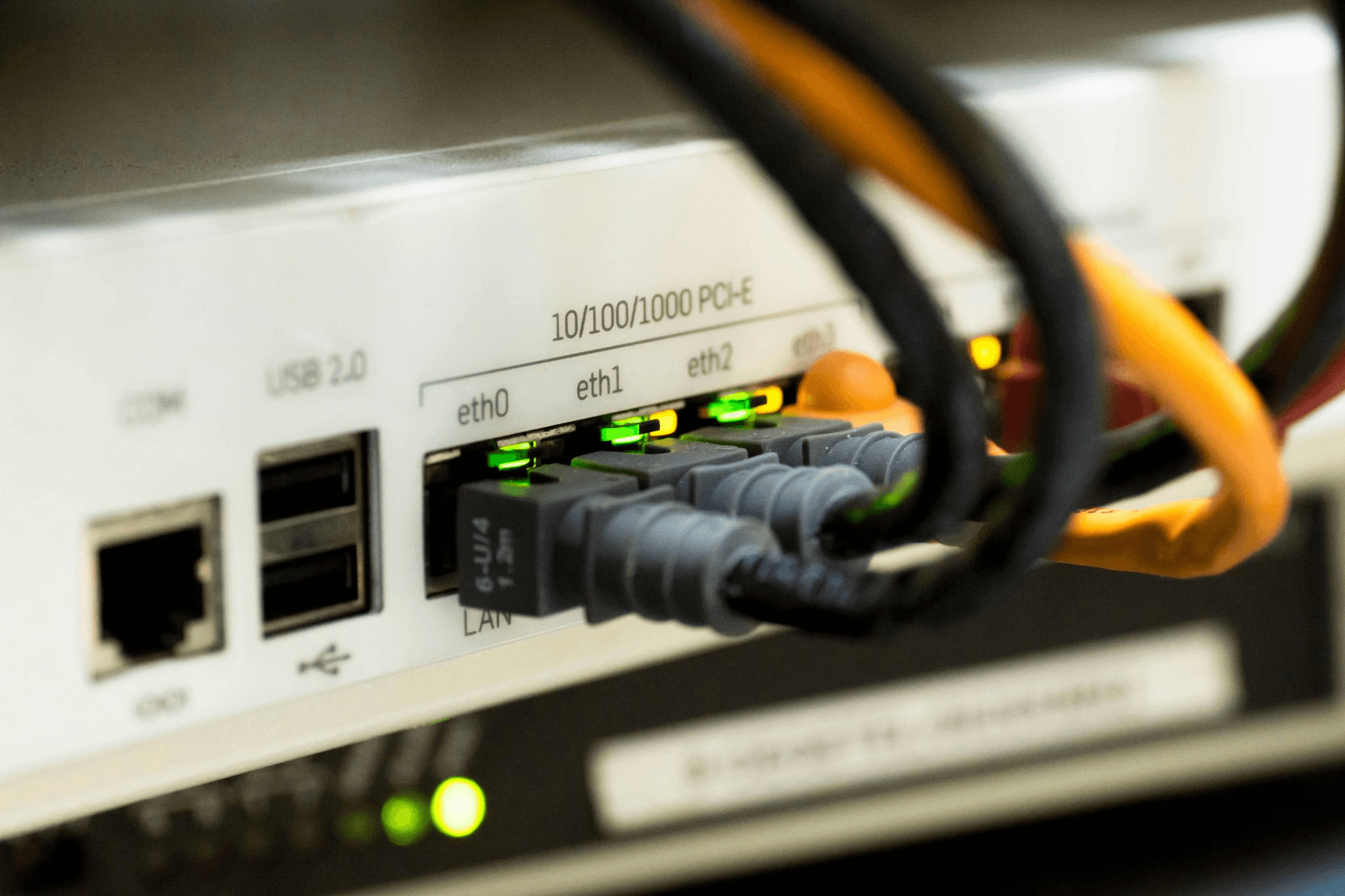
Developed by Xerox PARC in the 1970s, Ethernet became the standard for LANs. Ethernet allowed multiple devices to communicate over a shared network using switches. Ethernet’s scalability and simplicity made it the standard for enterprise networks, resulting in proliferation of distributed systems. TCP/IP became the universal language for the internet with IP providing the reachability and TCP ensuring the delivery of the data. This layered architecture was key to the internet’s success. The adoption of TCP/IP in the 1980s and its standardization in the 1990s paved the way for global connectivity and the modern internet. Routers enabled data to travel between different networks while switches managed traffic within a network. As demand for distributed computing continued to grow, so did the demand for faster networking devices. The invention of the World Wide Web in 1989 by Tim Berners-Lee and the release of the first browser in 1993 revolutionized how people accessed and shared information. Servers, which hosted websites and applications, became a core component of data centers, further driving the need for distributed systems.
The Cloud Era: Virtualization and Scalability

In the early 2000s, cloud computing emerged as a transformative paradigm, enabling organizations to access computing resources (e.g., servers, storage, and applications) over the internet on a pay-as-you-go basis. Pioneered by companies like Amazon (AWS), Microsoft (Azure), and Google (GCP), cloud computing shifted the focus from owning and maintaining physical infrastructure to leveraging shared, scalable resources.
Traditional data centers, designed for dedicated hardware and static workloads, were no longer sufficient to meet the dynamic demands of cloud computing. The Cloud-era data centers adopted modular, scalable designs with standardized hardware and software defined infrastructure. This allowed for rapid provisioning and scaling of resources.
Cloud providers built geographically distributed data centers to ensure low latency and high availability for users worldwide. This global footprint enabled businesses to serve customers in multiple regions without building their own infrastructure. The concept of regions and availability zones became central to cloud architecture, ensuring redundancy and fault tolerance.
Virtualization helped improve resource utilization and scalability by allowing multiple virtual machines (VMs) to run on a single physical server, each with its own operating system and applications. Prior to this, physical servers often ran at low utilization rates, wasting computing power and energy. Virtualization enabled organizations to consolidate workloads onto fewer servers, maximizing resource utilization and reducing costs. Virtualization made it easier to scale resources up and down based on demand. New VMs could be spun up in minutes, allowing businesses to respond quickly to changing workloads. This was particularly valuable for handling seasonal traffic spikes or deploying new applications.
Virtualization also enabled features like live migration, where VMs could be moved between physical servers without downtime. This improved fault tolerance and simplified maintenance. Backup and recovery processes became more efficient, as VMs could be replicated and restored quickly.
The rise of hyperscale Data Centers and Their Global Impact
Hyperscale data centers are massive facilities designed to support the immense scale and complexity of cloud computing. They are characterized by their ability to scale horizontally, adding thousands of servers to meet growing demand. These facilities are managed by the large cloud provided enterprises.
Hyperscale data centers rely heavily on automation for tasks like provisioning, monitoring, and maintenance. This reduces operational costs and minimizes human error. They also use advanced cooling systems, renewable energy resources, and energy-efficient hardware to reduce their environmental impact. Software-defined infrastructure like networking, storage, and compute resources are managed through software, enabling greater flexibility and scalability.
Hyperscale data centers have become critical infrastructure for the digital economy, supporting everything from e-commerce and streaming services to AI and machine learning. The construction and operation of these facilities create jobs in local communities, from engineers and technicians to security and maintenance staff. While hyperscale data centers are more energy-efficient than traditional facilities, their sheer size and power consumption have raised concerns about their environmental impact. Many providers are investing in renewable energy and carbon-neutral initiatives to address these concerns.
The cloud era has fundamentally transformed how businesses and individuals use technology. It has democratized access to powerful computing resources, enabling startups and small businesses to compete with established enterprises. The principles of virtualization, scalability, and automation pioneered during this era continue to shape the future of data centers, paving the way for innovations like edge computing, serverless architectures, and AI-driven infrastructure.
The AI Revolution: New demands on Infrastructure

Artificial intelligence (AI) and machine learning (ML) have become integral to modern technology, powering applications like voice assistants, recommendation systems, autonomous vehicles, and medical diagnostics. Industries such as healthcare, finance, retail, and manufacturing are leveraging AI to gain insights, automate processes, and deliver personalized experiences.
The rise of AI has been fueled by the explosion of data generated by connected devices, social media, and IoT sensors. This data serves as the foundation for training and deploying AI models. According to estimates, global data creation is expected to reach 180 zettabytes by the end of 2025, much of which will be processed by AI systems.
AI has moved from research labs and experimental projects to mission-critical applications. Organizations now rely on AI for real-time decision-making, predictive analytics, and automation at scale.
AI workloads differ from traditional computing tasks. AI workloads, particularly training deep learning models, require massive amounts of computational power. These tasks involve performing billions of matrix multiplications and other mathematical operations. Unlike traditional transactional workloads, which are often I/O-bound, AI workloads are compute-bound, pushing hardware to its limits. Training AI models requires large datasets, often terabytes or petabytes in size. This places significant demands on storage systems and data pipelines. Data preprocessing, such as cleaning, labeling, and augmenting datasets, is also a critical and resource-intensive step in the AI workflow.
AI training involves iterative processes, where models are trained over multiple epochs (passes through the dataset). Each iteration requires re-computing gradients and updating model parameters. These tasks are highly parallelizable, making them ideal for distributed computing environments but also introducing challenges in synchronization and communication.
While training is computationally intensive, inference (using a trained model to make predictions) requires low-latency, high-throughput processing. This duality demands flexible infrastructure that can handle both types of workloads efficiently.
AI brings several challenges to data center infrastructure. AI workloads require HPC capabilities to handle the massive computational demands of training and inference. This has led to the adoption of specialized hardware and architectures. Traditional CPUs are often insufficient for AI tasks, leading to the rise of accelerators like GPUs (Graphics Processing Units) and TPUs (Tensor Processing Units). Some commonly used specialized hardware are:
GPUs: Originally designed for graphics rendering, GPUs excel at parallel processing, making them ideal for AI workloads. They are now a staple in AI data centers.
TPUs: Developed by Google, TPUs are custom-built for tensor operations, which are fundamental to deep learning. They offer even greater performance and efficiency for AI tasks.
FPGAs and ASICs: Field-Programmable Gate Arrays (FPGAs) and Application-Specific Integrated Circuits (ASICs) are also being used for specialized AI workloads, offering customizable and efficient solutions.
AI workloads, especially in distributed training, require high-speed, low-latency networks to transfer data and synchronize models across multiple nodes. Technologies like RDMA (Remote Direct Memory Access) and InfiniBand are being adopted to reduce communication overhead and improve performance.
AI hardware, particularly GPUs and TPUs, consume significant amounts of power and generate substantial heat. This places new demands on data center power and cooling systems. Energy efficiency has become a critical concern, driving innovations in liquid cooling, renewable energy, and power management.
Scaling AI workloads across thousands of accelerators introduces challenges in resource allocation, load balancing, and fault tolerance. Orchestration tools like Kubernetes and AI-specific frameworks (e.g., TensorFlow, PyTorch) are being used to manage these complexities. Moreover, AI systems often process sensitive data, such as personal information or proprietary business data. Ensuring data privacy and security is a top priority. Techniques like federated learning and differential privacy are being explored to address these concerns.
The rise of AI is pushing data centers to evolve into highly specialized, AI-optimized infrastructures. This includes the development of AI-specific chips, advanced networking technologies, and energy-efficient designs. As AI continues to grow, data centers will need to balance performance, scalability, and sustainability to meet the demands of this transformative technology.
Networking Challenges in the Age of AI
In the age of AI, networking has become a critical component of data center infrastructure. AI workloads, particularly distributed training and inference, rely heavily on fast and efficient data transfer between systems. As AI models grow in size and complexity, the volume of data that needs to be transferred and synchronized across nodes increases exponentially, making networking a potential bottleneck.
Distributed training involves splitting a large dataset or model across multiple nodes (e.g., GPUs or TPUs) and synchronizing updates during the training process. This requires frequent communication between nodes. Inference, especially in real-time applications like autonomous driving or voice assistants, demands low-latency networking to deliver results quickly.
Some of the challenges in AI workloads are:
Data throughput - AI workloads generate massive amounts of data that need to be transferred between nodes. For example, training a large neural network can involve terabytes of data being exchanged during each iteration. High data throughput is essential to ensure that nodes can communicate efficiently without delays.
Latency - Low latency is critical for distributed training and real-time inference. Even small delays in communication can slow down training or degrade the performance of AI applications. In distributed training, synchronization between nodes (e.g., exchanging gradients) must happen quickly to avoid idle time and ensure efficient resource utilization.
Scalability - As AI models and datasets grow, the number of nodes involved in training and inference also increases. This places additional demands on the network, requiring it to scale seamlessly without compromising performance. Scalability challenges include managing congestion, ensuring consistent bandwidth, and minimizing communication overhead.
Efficient data transfer - AI workloads often involve transferring large matrices or tensors between nodes. Efficient data transfer mechanisms are needed to minimize overhead and maximize utilization of network resources. Techniques like compression and batching can help, but they must be carefully balanced to avoid introducing additional latency.
Emerging Technologies and protocols
A number of new technologies and protocols have been introduced in the recent years to address these communication challenges:
RDMA (Remote Direct Memory Access) - RDMA allows data to be transferred directly between the memory of two machines without involving the CPU, reducing latency and CPU overhead. It is widely used in high-performance computing (HPC) and AI workloads to enable fast and efficient communication between nodes.
InfiniBand - InfiniBand is a high-speed networking technology that offers low latency and high throughput, making it ideal for AI workloads. It is commonly used in AI data centers to connect GPUs and other accelerators, enabling efficient distributed training.
SmartNICs (Smart Network Interface Cards) - SmartNICs are specialized network cards that offload networking tasks from the CPU, improving performance and reducing latency. They can handle tasks like packet processing, encryption, and load balancing, freeing up CPU resources for AI computations.
High-Speed Ethernet - Advances in Ethernet technology, such as 100GbE and 400GbE, have made it a viable option for AI workloads. Ethernet is more cost-effective and easier to deploy than InfiniBand, making it popular in many data centers. Enhancements like RoCE (RDMA over Converged Ethernet) bring RDMA-like performance to Ethernet networks.
Software-Defined Networking (SDN) - SDN allows network administrators to manage and optimize network traffic programmatically. This is particularly useful for AI workloads, where traffic patterns can be unpredictable and dynamic. SDN can help prioritize AI traffic, reduce congestion, and improve overall network efficiency.
AI-Optimized Networking Protocols - New protocols and frameworks are being developed specifically for AI workloads. For example, NVIDIA’s NCCL (NVIDIA Collective Communications Library) optimizes communication between GPUs, reducing latency and improving scalability. Other initiatives focus on improving synchronization and load balancing in distributed training.
Future of AI Networking
As AI continues to evolve, networking will play an increasingly important role in enabling scalable and efficient AI systems. Innovations in hardware, protocols, and software will be critical to addressing the growing demands of AI workloads. Key areas of focus include:
Quantum Networking: Exploring the potential of quantum communication for ultra-secure and low-latency data transfer.
Edge Networking: Extending AI capabilities to edge devices, requiring efficient communication between edge and cloud data centers.
AI-Driven Networking: Using AI to optimize network performance, predict traffic patterns, and automate network management.
Conclusion
From the era of mainframes to today’s AI-driven data centers, the evolution of computing infrastructure has been marked by continuous innovation. As AI and machine learning reshape modern workloads, new challenges arise in scalability, networking, and efficiency.
In the coming articles, I’ll explore these challenges in greater depth, covering AI-optimized networking, edge computing, and other critical aspects of AI/ML infrastructure. If you’re interested in how these advancements will shape the future, stay tuned for detailed insights and technical deep dives.
I’d love to hear your thoughts—feel free to connect and share your experiences and perspectives with me (Book a time). To stay updated on this series and more, follow me here and on LinkedIn. Let’s continue the conversation!

In the digital age, data centers have become the backbone of modern technology, powering everything from cloud computing and streaming services to artificial intelligence (AI) and machine learning (ML). These vast, interconnected hubs of computational power are the unsung heroes behind the seamless experiences we’ve come to expect—whether it’s instant access to financial data, real-time healthcare diagnostics, or personalized recommendations on streaming platforms. As the demand for faster, more reliable, and scalable services has grown, so too have data centers evolved, adapting their architectures and technologies to meet the ever-increasing expectations of users and industries.
The evolution of data centers has been driven by a combination of technological advancements and the lucrative revenue opportunities they present across verticals such as fintech, healthcare, e-commerce, and entertainment. From the early days of monolithic mainframes to the distributed, cloud-native infrastructures of today, data centers have undergone a remarkable transformation. This shift has been further accelerated by the rise of the Software-as-a-Service (SaaS) model, which has enabled software providers to leverage the scalability and flexibility of modern data centers to deliver innovative solutions to a global audience.
However, the role of data centers is no longer limited to hosting servers and supporting traditional applications or microservices. The advent of AI and ML has ushered in a new era of computational demands, fundamentally altering the nature of workloads running in these facilities. Today’s data centers are increasingly home to millions of accelerators—GPUs, TPUs, and other specialized hardware—designed to train massive AI models or deploy them for inference at scale. These workloads are vastly different from the transactional or analytical tasks of the past. Instead, they involve tightly coupled, parallel computations that would take years to complete on a single CPU but are now executed in days, hours, or even minutes.
This shift has brought about unprecedented challenges. Data centers must now contend with the complexities of managing highly parallelized systems, ensuring efficient communication between accelerators, and handling the immense data throughput required for AI/ML workloads. Moreover, the explosion of data and the rise of machine learning have introduced new considerations around cost, energy consumption, privacy, and security. Setting up and running a modern data center is no small feat, requiring significant investment in infrastructure, cooling systems, and network capabilities, all while adhering to stringent regulatory and compliance standards.
In this paper, we will explore the evolution of data centers, from their humble beginnings to the cutting-edge facilities of today. We will examine how technological advancements and shifting user demands have shaped their architecture and capabilities. Additionally, we will delve into the challenges posed by the new era of AI/ML, including the unique demands of training and inference workloads, the cost and complexity of scaling infrastructure, and the critical importance of privacy and security in an increasingly interconnected world. By understanding these dynamics, we can better appreciate the pivotal role data centers play in our daily lives and the innovations that will drive their future.
The Early Days: Mainframes and Centralized Computing
In the 1950s and 1960 mainframes were the cornerstone of computing. These massive machines, often housed in dedicated rooms, were the precursors to modern data centers. IBM, CDC and UNIVAC were some of the companies that produced mainframes used by governments, universities and large corporations for tasks such as census data processing, scientific calculations, and financial transactions. The mainframes also included peripherals like tape drives and punch card readers. If you remember punch cards, you are probably about my age.
These mainframes, creating a centralized computing model, were accessed through “dumb terminals”--basic physically wired input/output devices with no processing capabilities of their own. These devices had limited accessibility and were scarce and expensive and access was restricted to a small number of users or on a reservation basis. People had to physically go to the computer room to use the facility sometime in very awkward hours to get easier access.
These earlier systems relied on batch processing and lacked real-time interaction. This made them efficient for large scale computation but lacked the flexibility and immediacy of modern computing.
Some of the other restrictions of these systems were that they were proprietary and led to vendor lock-in; they had limited networking capability as the internet was in its infancy. Data transfers at the time were like 300 bit per second compared to today's Gigabit networks.
You could imagine the size and physical footprint requirements for these mainframes, the power and cooling cost, and the huge maintenance costs. These limitations made these mainframes only available to big corporations.
Despite their limitations, the mainframe laid the groundwork for modern computing. They introduced concepts like centralized data processing, batch jobs, and the need for specialized infrastructure — ideas that would evolve into the distributed systems and cloud computing models of today. Many of the challenges such as scalability, reliability, and efficient utilization remain relevant, albeit in more advanced forms, in modern data centers today.
The rise of distributed computing and the internet
In the late 1960s and 1970s, the development of ARPANET marked the beginning of the internet and enabled sharing of resources and information between research institutions and universities. By the 1980s, the adoption of TCP/IP as the standard communication protocol laid the foundation for a global interconnected network.
The client-server model emerged as a revolutionary alternative to the centralized mainframe model. In this model the end users (Client) request services from the servers (Dedicated machines that host applications, data, and processing power). This model gradually decentralized computing power, allowing multiple users to access shared resources simultaneously. This model had an impact on the evolution of data centers by housing a single mainframe to host multiple servers that could handle diverse workloads. This shift from batch processing to real-time interaction enabled applications like email, file sharing, and early web services.
These distributed systems also allowed organizations to horizontally scale by adding more servers rather than upgrading a single mainframe for more computation power. This was much more cost effective. Moreover, applications could be designed to run across multiple servers, improving performance and resource utilization. Companies begin building their own local area networks (LANs) to connect PCs and servers within offices. This enabled internal collaboration, communication and sharing while wide area networks (WANs) enabled connectivity between different geographic locations allowing businesses to operate more efficiently on a global scale.
Emergence of networking technologies

Developed by Xerox PARC in the 1970s, Ethernet became the standard for LANs. Ethernet allowed multiple devices to communicate over a shared network using switches. Ethernet’s scalability and simplicity made it the standard for enterprise networks, resulting in proliferation of distributed systems. TCP/IP became the universal language for the internet with IP providing the reachability and TCP ensuring the delivery of the data. This layered architecture was key to the internet’s success. The adoption of TCP/IP in the 1980s and its standardization in the 1990s paved the way for global connectivity and the modern internet. Routers enabled data to travel between different networks while switches managed traffic within a network. As demand for distributed computing continued to grow, so did the demand for faster networking devices. The invention of the World Wide Web in 1989 by Tim Berners-Lee and the release of the first browser in 1993 revolutionized how people accessed and shared information. Servers, which hosted websites and applications, became a core component of data centers, further driving the need for distributed systems.
The Cloud Era: Virtualization and Scalability

In the early 2000s, cloud computing emerged as a transformative paradigm, enabling organizations to access computing resources (e.g., servers, storage, and applications) over the internet on a pay-as-you-go basis. Pioneered by companies like Amazon (AWS), Microsoft (Azure), and Google (GCP), cloud computing shifted the focus from owning and maintaining physical infrastructure to leveraging shared, scalable resources.
Traditional data centers, designed for dedicated hardware and static workloads, were no longer sufficient to meet the dynamic demands of cloud computing. The Cloud-era data centers adopted modular, scalable designs with standardized hardware and software defined infrastructure. This allowed for rapid provisioning and scaling of resources.
Cloud providers built geographically distributed data centers to ensure low latency and high availability for users worldwide. This global footprint enabled businesses to serve customers in multiple regions without building their own infrastructure. The concept of regions and availability zones became central to cloud architecture, ensuring redundancy and fault tolerance.
Virtualization helped improve resource utilization and scalability by allowing multiple virtual machines (VMs) to run on a single physical server, each with its own operating system and applications. Prior to this, physical servers often ran at low utilization rates, wasting computing power and energy. Virtualization enabled organizations to consolidate workloads onto fewer servers, maximizing resource utilization and reducing costs. Virtualization made it easier to scale resources up and down based on demand. New VMs could be spun up in minutes, allowing businesses to respond quickly to changing workloads. This was particularly valuable for handling seasonal traffic spikes or deploying new applications.
Virtualization also enabled features like live migration, where VMs could be moved between physical servers without downtime. This improved fault tolerance and simplified maintenance. Backup and recovery processes became more efficient, as VMs could be replicated and restored quickly.
The rise of hyperscale Data Centers and Their Global Impact
Hyperscale data centers are massive facilities designed to support the immense scale and complexity of cloud computing. They are characterized by their ability to scale horizontally, adding thousands of servers to meet growing demand. These facilities are managed by the large cloud provided enterprises.
Hyperscale data centers rely heavily on automation for tasks like provisioning, monitoring, and maintenance. This reduces operational costs and minimizes human error. They also use advanced cooling systems, renewable energy resources, and energy-efficient hardware to reduce their environmental impact. Software-defined infrastructure like networking, storage, and compute resources are managed through software, enabling greater flexibility and scalability.
Hyperscale data centers have become critical infrastructure for the digital economy, supporting everything from e-commerce and streaming services to AI and machine learning. The construction and operation of these facilities create jobs in local communities, from engineers and technicians to security and maintenance staff. While hyperscale data centers are more energy-efficient than traditional facilities, their sheer size and power consumption have raised concerns about their environmental impact. Many providers are investing in renewable energy and carbon-neutral initiatives to address these concerns.
The cloud era has fundamentally transformed how businesses and individuals use technology. It has democratized access to powerful computing resources, enabling startups and small businesses to compete with established enterprises. The principles of virtualization, scalability, and automation pioneered during this era continue to shape the future of data centers, paving the way for innovations like edge computing, serverless architectures, and AI-driven infrastructure.
The AI Revolution: New demands on Infrastructure

Artificial intelligence (AI) and machine learning (ML) have become integral to modern technology, powering applications like voice assistants, recommendation systems, autonomous vehicles, and medical diagnostics. Industries such as healthcare, finance, retail, and manufacturing are leveraging AI to gain insights, automate processes, and deliver personalized experiences.
The rise of AI has been fueled by the explosion of data generated by connected devices, social media, and IoT sensors. This data serves as the foundation for training and deploying AI models. According to estimates, global data creation is expected to reach 180 zettabytes by the end of 2025, much of which will be processed by AI systems.
AI has moved from research labs and experimental projects to mission-critical applications. Organizations now rely on AI for real-time decision-making, predictive analytics, and automation at scale.
AI workloads differ from traditional computing tasks. AI workloads, particularly training deep learning models, require massive amounts of computational power. These tasks involve performing billions of matrix multiplications and other mathematical operations. Unlike traditional transactional workloads, which are often I/O-bound, AI workloads are compute-bound, pushing hardware to its limits. Training AI models requires large datasets, often terabytes or petabytes in size. This places significant demands on storage systems and data pipelines. Data preprocessing, such as cleaning, labeling, and augmenting datasets, is also a critical and resource-intensive step in the AI workflow.
AI training involves iterative processes, where models are trained over multiple epochs (passes through the dataset). Each iteration requires re-computing gradients and updating model parameters. These tasks are highly parallelizable, making them ideal for distributed computing environments but also introducing challenges in synchronization and communication.
While training is computationally intensive, inference (using a trained model to make predictions) requires low-latency, high-throughput processing. This duality demands flexible infrastructure that can handle both types of workloads efficiently.
AI brings several challenges to data center infrastructure. AI workloads require HPC capabilities to handle the massive computational demands of training and inference. This has led to the adoption of specialized hardware and architectures. Traditional CPUs are often insufficient for AI tasks, leading to the rise of accelerators like GPUs (Graphics Processing Units) and TPUs (Tensor Processing Units). Some commonly used specialized hardware are:
GPUs: Originally designed for graphics rendering, GPUs excel at parallel processing, making them ideal for AI workloads. They are now a staple in AI data centers.
TPUs: Developed by Google, TPUs are custom-built for tensor operations, which are fundamental to deep learning. They offer even greater performance and efficiency for AI tasks.
FPGAs and ASICs: Field-Programmable Gate Arrays (FPGAs) and Application-Specific Integrated Circuits (ASICs) are also being used for specialized AI workloads, offering customizable and efficient solutions.
AI workloads, especially in distributed training, require high-speed, low-latency networks to transfer data and synchronize models across multiple nodes. Technologies like RDMA (Remote Direct Memory Access) and InfiniBand are being adopted to reduce communication overhead and improve performance.
AI hardware, particularly GPUs and TPUs, consume significant amounts of power and generate substantial heat. This places new demands on data center power and cooling systems. Energy efficiency has become a critical concern, driving innovations in liquid cooling, renewable energy, and power management.
Scaling AI workloads across thousands of accelerators introduces challenges in resource allocation, load balancing, and fault tolerance. Orchestration tools like Kubernetes and AI-specific frameworks (e.g., TensorFlow, PyTorch) are being used to manage these complexities. Moreover, AI systems often process sensitive data, such as personal information or proprietary business data. Ensuring data privacy and security is a top priority. Techniques like federated learning and differential privacy are being explored to address these concerns.
The rise of AI is pushing data centers to evolve into highly specialized, AI-optimized infrastructures. This includes the development of AI-specific chips, advanced networking technologies, and energy-efficient designs. As AI continues to grow, data centers will need to balance performance, scalability, and sustainability to meet the demands of this transformative technology.
Networking Challenges in the Age of AI
In the age of AI, networking has become a critical component of data center infrastructure. AI workloads, particularly distributed training and inference, rely heavily on fast and efficient data transfer between systems. As AI models grow in size and complexity, the volume of data that needs to be transferred and synchronized across nodes increases exponentially, making networking a potential bottleneck.
Distributed training involves splitting a large dataset or model across multiple nodes (e.g., GPUs or TPUs) and synchronizing updates during the training process. This requires frequent communication between nodes. Inference, especially in real-time applications like autonomous driving or voice assistants, demands low-latency networking to deliver results quickly.
Some of the challenges in AI workloads are:
Data throughput - AI workloads generate massive amounts of data that need to be transferred between nodes. For example, training a large neural network can involve terabytes of data being exchanged during each iteration. High data throughput is essential to ensure that nodes can communicate efficiently without delays.
Latency - Low latency is critical for distributed training and real-time inference. Even small delays in communication can slow down training or degrade the performance of AI applications. In distributed training, synchronization between nodes (e.g., exchanging gradients) must happen quickly to avoid idle time and ensure efficient resource utilization.
Scalability - As AI models and datasets grow, the number of nodes involved in training and inference also increases. This places additional demands on the network, requiring it to scale seamlessly without compromising performance. Scalability challenges include managing congestion, ensuring consistent bandwidth, and minimizing communication overhead.
Efficient data transfer - AI workloads often involve transferring large matrices or tensors between nodes. Efficient data transfer mechanisms are needed to minimize overhead and maximize utilization of network resources. Techniques like compression and batching can help, but they must be carefully balanced to avoid introducing additional latency.
Emerging Technologies and protocols
A number of new technologies and protocols have been introduced in the recent years to address these communication challenges:
RDMA (Remote Direct Memory Access) - RDMA allows data to be transferred directly between the memory of two machines without involving the CPU, reducing latency and CPU overhead. It is widely used in high-performance computing (HPC) and AI workloads to enable fast and efficient communication between nodes.
InfiniBand - InfiniBand is a high-speed networking technology that offers low latency and high throughput, making it ideal for AI workloads. It is commonly used in AI data centers to connect GPUs and other accelerators, enabling efficient distributed training.
SmartNICs (Smart Network Interface Cards) - SmartNICs are specialized network cards that offload networking tasks from the CPU, improving performance and reducing latency. They can handle tasks like packet processing, encryption, and load balancing, freeing up CPU resources for AI computations.
High-Speed Ethernet - Advances in Ethernet technology, such as 100GbE and 400GbE, have made it a viable option for AI workloads. Ethernet is more cost-effective and easier to deploy than InfiniBand, making it popular in many data centers. Enhancements like RoCE (RDMA over Converged Ethernet) bring RDMA-like performance to Ethernet networks.
Software-Defined Networking (SDN) - SDN allows network administrators to manage and optimize network traffic programmatically. This is particularly useful for AI workloads, where traffic patterns can be unpredictable and dynamic. SDN can help prioritize AI traffic, reduce congestion, and improve overall network efficiency.
AI-Optimized Networking Protocols - New protocols and frameworks are being developed specifically for AI workloads. For example, NVIDIA’s NCCL (NVIDIA Collective Communications Library) optimizes communication between GPUs, reducing latency and improving scalability. Other initiatives focus on improving synchronization and load balancing in distributed training.
Future of AI Networking
As AI continues to evolve, networking will play an increasingly important role in enabling scalable and efficient AI systems. Innovations in hardware, protocols, and software will be critical to addressing the growing demands of AI workloads. Key areas of focus include:
Quantum Networking: Exploring the potential of quantum communication for ultra-secure and low-latency data transfer.
Edge Networking: Extending AI capabilities to edge devices, requiring efficient communication between edge and cloud data centers.
AI-Driven Networking: Using AI to optimize network performance, predict traffic patterns, and automate network management.
Conclusion
From the era of mainframes to today’s AI-driven data centers, the evolution of computing infrastructure has been marked by continuous innovation. As AI and machine learning reshape modern workloads, new challenges arise in scalability, networking, and efficiency.
In the coming articles, I’ll explore these challenges in greater depth, covering AI-optimized networking, edge computing, and other critical aspects of AI/ML infrastructure. If you’re interested in how these advancements will shape the future, stay tuned for detailed insights and technical deep dives.
I’d love to hear your thoughts—feel free to connect and share your experiences and perspectives with me (Book a time). To stay updated on this series and more, follow me here and on LinkedIn. Let’s continue the conversation!

More articles

AI/ML Model Operations
The Financial Fault Line Beneath GPU Clouds

AI/ML Model Operations
The Financial Fault Line Beneath GPU Clouds

AI/ML Model Operations
The Financial Fault Line Beneath GPU Clouds

AI/ML Model Operations
Variability Is the Real Bottleneck in AI Infrastructure

AI/ML Model Operations
Variability Is the Real Bottleneck in AI Infrastructure

AI/ML Model Operations
Variability Is the Real Bottleneck in AI Infrastructure

AI/ML Model Operations
Orchestration, Serving, and Execution: The Three Layers of Model Deployment

AI/ML Model Operations
Orchestration, Serving, and Execution: The Three Layers of Model Deployment

AI/ML Model Operations
Orchestration, Serving, and Execution: The Three Layers of Model Deployment
Don’t let performance bottlenecks slow you down. Optimize your stack and accelerate your AI outcomes.
Services
© 2025 ParallelIQ. All rights reserved.
Services
© 2025 ParallelIQ. All rights reserved.
Services
© 2025 ParallelIQ. All rights reserved.